
Pet Lifestyle Guide: Designing a Pet-Friendly Home That Actually Works

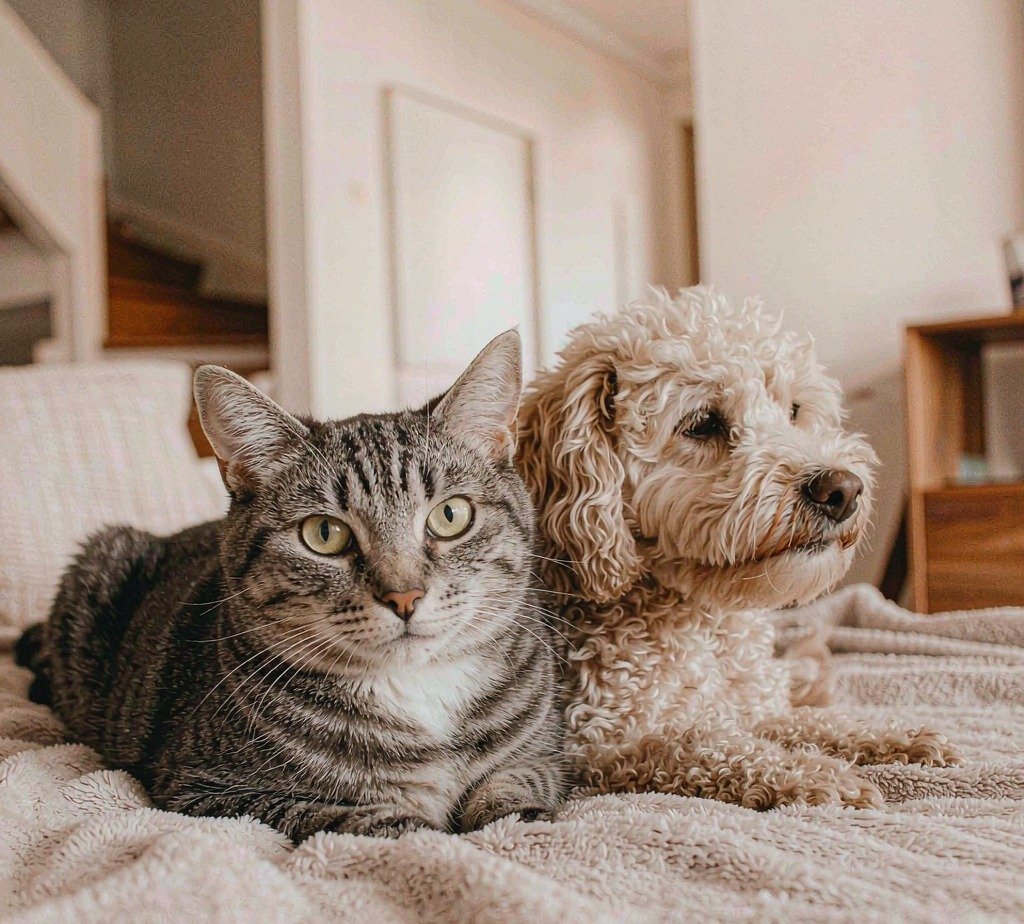
A pet-friendly home is not a home with more pet products in it. It is a home where the animal’s four basic needs — rest, food, water and toileting — are each given a fixed place, and where the routes between them are kept clear. This guide covers the decisions that actually change daily life, in the order a household or a boarding facility tends to face them.
Start with zones, not furniture
Animals settle faster when a space is legible. Before choosing anything, mark out four zones on paper:
- Rest — a bed or crate in a low-traffic area, out of draughts and away from the feeding station.
- Feeding — a stable, washable surface, close enough to water to be convenient but far enough from rest to avoid spillage.
- Toileting — accessible at night without crossing the whole home, and away from both rest and feeding.
- Transition — the entry route where paws are wiped, harnesses come off and muddy equipment is stored.
Most behavioural complaints that get attributed to the animal are actually a zone conflict: a bed placed beside a feeding station, or a litter tray in a corridor that gets walked through constantly.
The four decisions that matter most
| Decision | What to weigh | Common mistake |
|---|---|---|
| Flooring and surfaces | Traction, cleanability, scratch tolerance | Choosing on appearance alone, then adding rugs that slide |
| Feeding station position | Distance from rest, tap access, spill containment | Placing it next to a wall socket and a cable run |
| Water supply | Reservoir volume vs. how often you will actually rinse it | Buying a large reservoir that goes unchanged for a week |
| Storage | Dry goods, cleaning supplies, spare consumables | Storing food in an open bag in a warm room |
Flooring: traction before aesthetics
Smooth hard flooring is easy to clean and hard for older animals to walk on. The practical compromise is hard flooring through the transition and feeding zones, and a non-slip surface along the routes the animal uses most. For an older animal, traction on the main path is worth more than comfort anywhere else.
The feeding station: position it deliberately
Three constraints decide the spot. It should be off the main walking route, so the animal is not disturbed while eating. It should be within reach of a wipeable floor, because kibble and water travel. It should be away from electrical sockets, since a feeder or fountain placed next to a cable run turns a spill into a hazard.
Where meals need to continue during owner absence, a scheduled feeder is the usual answer. Our models are listed under the smart feeder category; portion range, hopper capacity and cleaning requirements are confirmed per model rather than assumed from a category listing.
Water: match the reservoir to your routine, not to the ideal
A large reservoir is only an advantage if it is actually emptied and rinsed on schedule. A smaller unit that gets cleaned daily is a better installation than a larger one that does not.
Where an animal drinks reluctantly, or where a household is out for long stretches, moving water tends to help. The pet water fountain category covers circulating fountains, stainless steel bowls and motion-sensing designs. Two variables decide how much maintenance a unit imposes: whether the pump is field-replaceable, and which parts may be immersed for cleaning.
Storage: treat consumables as a line item
Food, litter, filters, cleaning agents and spare parts are recurring costs, and storing them badly costs more than buying them well. Keep dry food sealed, out of direct heat and away from cleaning chemicals. Keep filters and seals with the unit they belong to, labelled, so a replacement does not become a search.
Designing for a multi-animal household
Rule of thumb: separate resources by one. Two cats want two feeding stations, two water sources and two litter areas, placed so that one animal cannot block another’s access. This is a spacing problem rather than a product problem, and it resolves more conflict than any single purchase.
For dogs sharing a home, the same principle applies to resting places. A crate per animal, in different parts of the room, prevents the resource guarding that develops when one animal has no route out.
Applying the same logic in a clinic or boarding ward
The zoning logic scales, with three additions for a facility:
- Standardise the hardware. Identical units per function mean one cleaning procedure and one spare-parts list across the whole building.
- Make the layout readable to staff, not just to animals. Labelled stations and a printed routine per animal make observations comparable between shifts.
- Plan the consumable supply before opening. Filters, seals, impellers and food-contact parts are the items that run out first. Clinic equipment and consumables are grouped separately from pet supplies in our range, under pet hospital equipment and consumables.
A short checklist before you buy anything
- Have you decided where the animal rests, eats, drinks and toilets — and are those four places separated?
- Can the animal reach water and toileting at night without crossing the whole home?
- Is there a non-slip route along the animal’s main path?
- Have you checked whether the pump, impeller or drive mechanism is replaceable?
- Do you know which parts can be immersed in water, and which cleaning agents are compatible?
- Is the feeding station clear of sockets and cable runs?
- For more than one animal, are the resources separated by at least one?
Frequently asked questions
Where should a cat litter tray go?
In a quiet spot with more than one route out, away from food and water, and reachable at night without crossing the whole home. For more than one cat, provide more than one tray in separate locations rather than several trays side by side.
Should a dog bed be in a crate or an open bed?
Either can work. A crate gives a defined resting zone and is easier to keep clean in a multi-animal home; an open bed suits an animal that settles easily. What matters is that the resting place is off the main walking route and out of draughts.
How often should a pet water fountain be cleaned?
The reservoir and bowl should be rinsed daily, with the pump cleaned on the interval stated by the manufacturer, which varies with filtration type and the number of animals using the unit. Confirm the figure per model rather than applying a general rule.
Is a pet-friendly home expensive to set up?
The layout decisions cost nothing and resolve most of the daily friction. Spending belongs where it changes maintenance — traction on the main route, a pump you can replace, a feeding station you can wipe down.
Equipping the setup
If you are fitting out a boarding facility, a clinic ward or a retail range rather than a single household, tell us the number of stations, the animal sizes and the volumes involved. We will confirm which models fit, the parameters requiring written confirmation, and the minimum order quantity for the configuration — including OEM and ODM where a private label is needed.