
Pet Journal: Seven Daily Habits That Keep Cats and Dogs Healthy

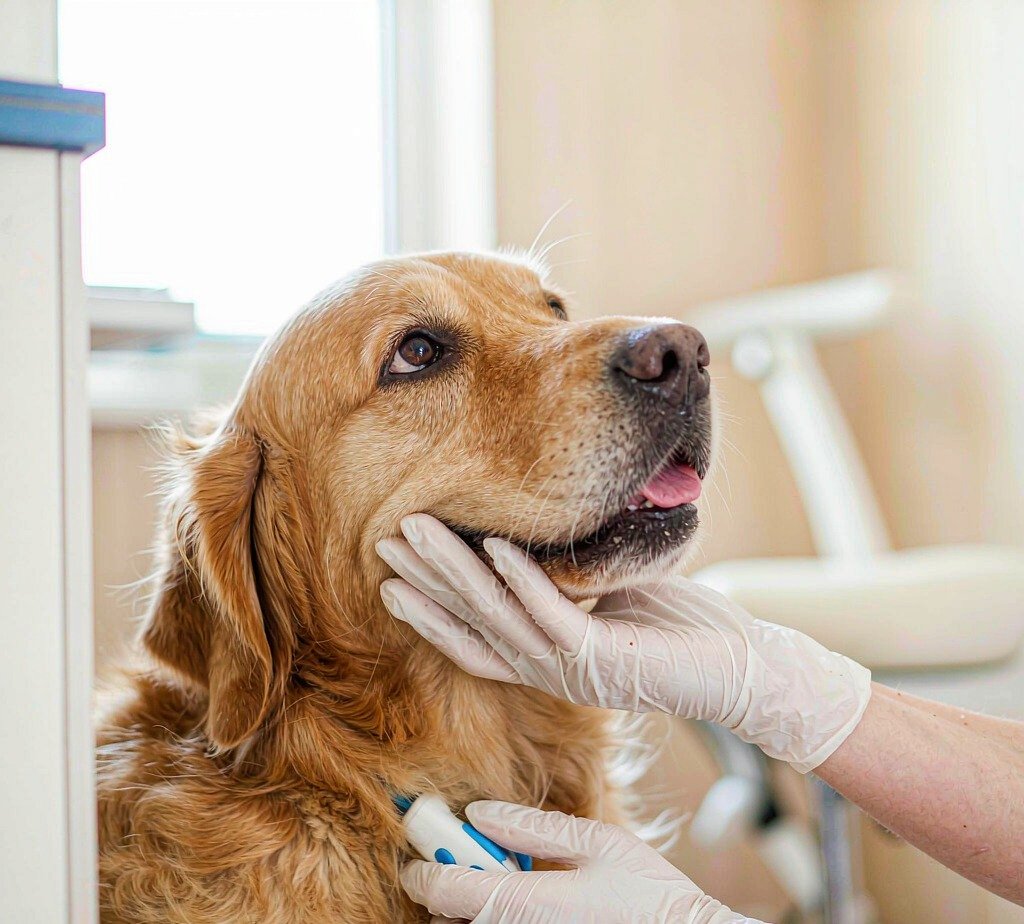
A pet’s health is decided less by occasional grand gestures than by small routines repeated without fail. Feeding on schedule, changing water instead of topping it up, and two minutes of hands-on checking each evening catch far more problems than an annual check-up alone. This journal entry sets out seven daily habits worth building into a household, a boarding kennel or a clinic ward — and is honest about what a routine cannot replace.
Why daily habits beat occasional effort
Most conditions that owners notice late were not sudden. Weight drift, reduced water intake and changes in gait develop over weeks, and each looks unremarkable on any single day. A routine works because it produces a baseline: once you know what normal looks like for one animal, deviation becomes visible.
The same logic applies inside a hospital or boarding facility, where several staff members may handle the same animal. A written routine is what makes observations comparable between shifts.
The seven habits, and what each one costs
| Habit | Frequency | Time per day | What it catches |
|---|---|---|---|
| Fixed feeding time, measured portion | Daily | 5 minutes | Appetite change, digestive upset |
| Fresh water, bowl washed | Daily | 2 minutes | Reduced intake, biofilm build-up |
| Structured walk | Daily | 20–45 minutes | Stiffness, lameness, weight |
| Deliberate play session | Daily | 10 minutes | Mobility, mood, social withdrawal |
| Hands-on check | Daily | 2 minutes | Lumps, warmth, tenderness, coat change |
| Coat and mouth care | 2–3 times weekly | 10 minutes | Dental disease, parasites, skin issues |
| Weight note | Weekly | 2 minutes | Gradual gain or loss |
1. Feed at the same time, in measured portions
Free-feeding makes appetite almost impossible to read; you cannot tell whether an animal ate because it was hungry or because food happened to be there. Measured meals at fixed times give you a number to compare against tomorrow. If a portion is consistently refused, that is information — record it rather than compensating with treats.
Where feeding has to continue during owner absence or overnight observation, a scheduled automatic feeder removes the human variable. Our range is listed under the smart feeder category, including the Automatic Pet Feeder and the Intelligent Pet Feeder. Which unit suits a given animal depends on portion range, hopper capacity and cleaning routine — all of which should be confirmed per specification before ordering.
2. Change water; do not top it up
Topping up a bowl leaves the old water in place and concentrates whatever has settled in it. Emptying, rinsing and refilling takes under a minute and gives you a daily reading of how much the animal actually drinks. A sustained rise or fall in water intake is one of the more useful early signals an owner can record.
Where an animal drinks little in one sitting, moving water tends to encourage intake. Circulating fountains are listed in the pet water fountain category; reservoir volume, filtration type and whether the pump is field-replaceable matter more day to day than any headline feature.
3. Walk with a purpose, not just a distance
The useful part of a walk is not the step count but the observation: gait on the first hundred metres, willingness to keep pace, and whether the animal stops without reason. Recording the same route regularly makes changes comparable.
4. Ten minutes of deliberate play
Play is the cheapest mobility assessment available. An animal that used to chase a toy and now watches it is telling you something. Cats need this more than owners assume — short, frequent sessions are more effective than one long one.
5. Two minutes of hands-on checking
Run your hands over the animal in the same order every evening: ears, mouth, neck, chest, abdomen, legs, paws, tail. You are not diagnosing anything. You are learning what normal feels like so that a new lump or a warm patch is obvious rather than discovered months later.
6. Coat and mouth care on a fixed day
Dental disease and coat problems are progressive. Brushing and mouth checks timed to a fixed weekday are more likely to actually happen than a vague intention to do it often. Where an examination is part of a clinical workflow, the relevant tools sit under pet hospital equipment and consumables.
7. One weekly weight note
Body weight is the single most objective number an owner can collect, and kitchen scales plus a carrier are enough for most cats and small dogs. A weekly figure catches slow drift that is invisible day to day. Written down, it is also the most useful thing you can bring to a veterinary appointment.
What a daily routine does not replace
None of the above is a substitute for professional examination, and a routine should never be used to delay one. Symptoms that warrant prompt professional attention rather than another week of observation include persistent refusal to eat, repeated vomiting or diarrhoea, laboured breathing, sudden collapse, inability to pass urine, and any wound that does not improve.
In a clinical setting, the equipment that supports diagnosis is a separate consideration from daily care. Where a facility needs imaging capability, the relevant systems are grouped under the same hospital equipment category; model selection, capacity and configuration are confirmed against each facility’s requirements rather than assumed from a category listing.
Setting the routine up in a clinic or boarding ward
For a facility rather than a household, three adjustments matter. First, put the routine on a printed sheet per animal so different staff record comparable observations. Second, standardise the hardware across rooms — identical feeders and fountains mean staff learn one cleaning procedure instead of five, which is a hygiene gain as much as an efficiency one. Third, keep a written log of consumables and spare parts, because pumps and motors are the components that fail first and a replacement supply is more valuable than a warranty claim.
Frequently asked questions
How long does a daily pet care routine take?
The core routine — feeding, water, hands-on check and a weight note on its scheduled day — takes under ten minutes. Walks and play sessions are the variable part and account for most of the time.
Is a scheduled feeder better than feeding by hand?
For portion accuracy and consistency during absence, yes. For monitoring appetite, hand feeding gives you a better read because you are present. Many households and wards use both: scheduled feeding on working days, hand feeding when someone is home to observe.
How often should a pet’s water fountain be cleaned?
The reservoir and bowl should be rinsed daily and the pump and impeller cleaned on a regular cycle. Cleaning intervals depend on the filtration type and on how many animals share the unit, so confirm the manufacturer’s stated interval per model rather than assuming a fixed number.
Can a routine detect illness early?
A routine produces a baseline, and a baseline makes deviation visible earlier than it otherwise would be. It does not diagnose anything. Suspected illness belongs with a veterinarian.
Build the routine, then supply it
If you are setting up a routine across a boarding facility, a clinic ward or a retail range, tell us the animal sizes, the number of stations and the feeding or hydration volumes involved. We will confirm which models fit and the minimum order quantity for the configuration you want.